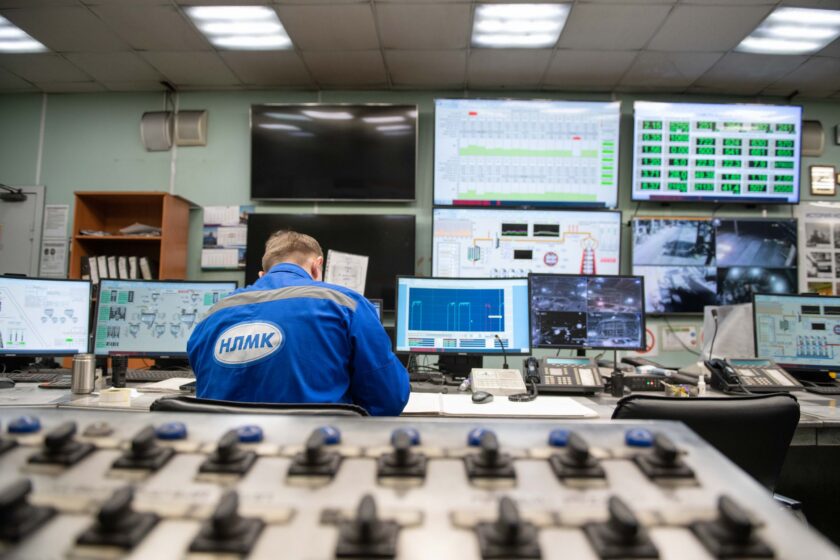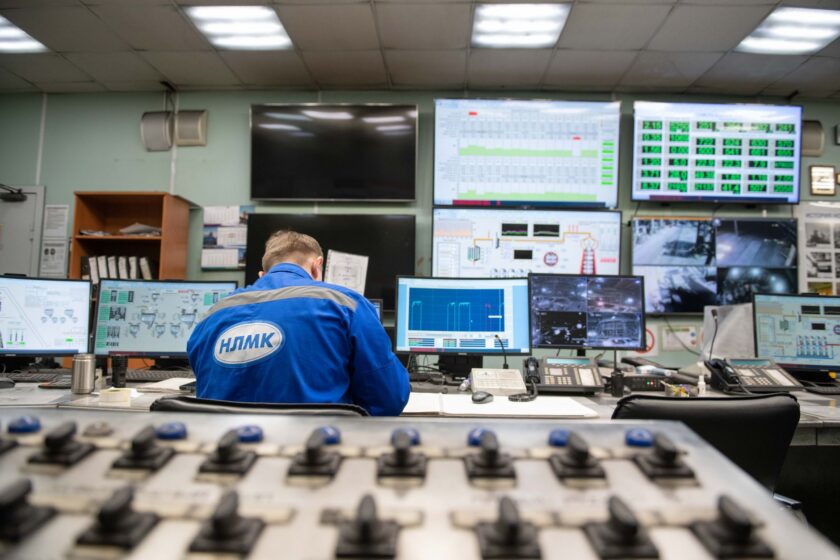
Rockwell Automation has spent the past several years pulling Plex Systems, FactoryTalk, and its cloud analytics offerings into a more unified commercial structure, and the direction of travel is unambiguous: more of the functionality that used to live on a server in your plant now lives behind a subscription, a connected service, or a consumption meter. This isn’t a single announcement so much as a steady drumbeat — product updates, packaging changes, and licensing shifts that keep nudging customers away from perpetual, on-prem-only deployments and toward what the industry is now loosely calling “connected MES-as-a-service.”
For plants and corporate IT groups facing 2026 renewal cycles, this matters in a very concrete way. Renewal conversations that used to be a formality — true up the seat count, sign the same maintenance agreement, move on — increasingly require actually modeling what a subscription or usage-based structure will cost over a multi-year horizon, including costs that never showed up on a perpetual-license invoice. Rockwell is not unique here. Siemens and AVEVA have been moving in parallel directions with their own MES and MOM portfolios, tying more core functionality to cloud-hosted services and subscription tiers. But because Plex was cloud-native from the start and FactoryTalk has a large installed base of traditionally licensed, on-prem customers, Rockwell’s integration of the two is the clearest real-time case study practitioners have for what this transition actually looks like in practice.
Why this is happening now
The commercial logic is straightforward from the vendor side. Subscription and consumption models produce more predictable recurring revenue than perpetual license sales followed by optional maintenance renewals. They also make it easier to bundle cloud analytics, AI-assisted features, and continuous updates as part of the core offering rather than as bolt-on modules a customer has to be sold separately. Plex’s architecture — built as a multi-tenant cloud manufacturing platform from its inception — gives Rockwell a template for what “MES as a service” looks like operationally, and FactoryTalk’s roadmap has been increasingly framed around integrating with that cloud backbone rather than remaining a purely on-prem historian-and-HMI stack.
None of this is inherently bad for manufacturers. Continuous delivery of updates, centralized security patching, and easier multi-site standardization are real, legitimate advantages of a cloud-connected model. The problem is that “subscription” and “cheaper” are not the same word, and plants that treat this renewal cycle like the last one — read the price, compare it to last year’s number, sign — are going to miss costs that materialize only after they’re contractually committed.
The hidden-cost checklist practitioners actually need
Before signing any renewal that shifts you further into connected or consumption-based licensing, walk through these categories explicitly. Most procurement teams model the headline subscription fee. Few model the rest.
- Data egress and integration traffic. Cloud-hosted MES and analytics often price data transfer separately from the platform subscription itself. If your architecture pushes high-frequency machine data, quality records, or historian tags to the cloud for every line and every shift, egress and API call volume can grow faster than your seat count. Ask vendors directly what a fully connected, multi-line deployment costs in data transfer terms — not just the platform license.
- Seat and role sprawl. Legacy perpetual licenses were often priced per server or per concurrent session, which made seat math relatively stable. Subscription models frequently price per named user, per role, or per module accessed, which means adding a quality engineer, a second-shift supervisor, or a rotating maintenance tech can trigger incremental license costs that never existed under the old model. Model this against your actual headcount churn, not your org chart on paper.
- Mandatory cloud connectivity for features that used to run locally. Some capabilities — certain analytics dashboards, AI-based scheduling assists, cross-site reporting — are increasingly cloud-dependent by design, even when the underlying execution logic could technically run on-prem. That’s a legitimate architectural choice, but it means a network outage or a connectivity issue at the plant can degrade functionality that used to be immune to WAN problems. Ask what happens to production execution, not just reporting, if the cloud connection drops.
- Multi-year price escalation clauses. Perpetual licenses had annual maintenance increases, typically modest and negotiated. Subscription contracts can carry different escalation structures, and consumption-based components are inherently harder to cap. Get multi-year pricing in writing, not just year-one numbers.
- Exit and data portability costs. If your production history, genealogy records, and quality data live natively in a vendor’s cloud schema, moving to a different MES later carries a real extraction and migration cost. This isn’t unique to Rockwell — it’s a structural feature of cloud-native MES generally — but it belongs in your total-cost model, especially if you’re evaluating a long-term commitment.
How to actually run the comparison
The honest way to evaluate connected MES-as-a-service against a legacy perpetual model is to build a five-year total cost of ownership model that includes license or subscription fees, historical maintenance costs, estimated data transfer and integration volume, projected seat growth, and a realistic estimate of internal IT and controls engineering time required to support the architecture either way. Perpetual licenses tend to front-load cost and flatten over time; subscriptions tend to smooth cost but carry more variables that can move upward without a corresponding capability increase. Neither is automatically better — it depends on your plant’s connectivity posture, your rate of organizational change, and how much value you’re actually getting from the cloud-native features versus paying for capability you won’t use.
If you’re a plant IT or MES admin heading into a 2026 renewal conversation, the practical move is to insist your vendor rep walk through data egress pricing and seat-growth scenarios in writing before you sign anything, and to loop in your network and security teams on what mandatory cloud dependency means for uptime during connectivity disruptions. The vendors moving this direction — Rockwell included — aren’t hiding the shift. But nobody is going to build your cost model for you, and the renewal cycle that quietly locks in a consumption-based structure for the next several years is exactly the one worth slowing down for.
This article was written with the assistance of artificial intelligence. While we aim for accuracy, the information may be incomplete, out of date, or incorrect, and should be independently verified before you rely on it for any decision. It is provided for general information only and does not constitute professional advice.