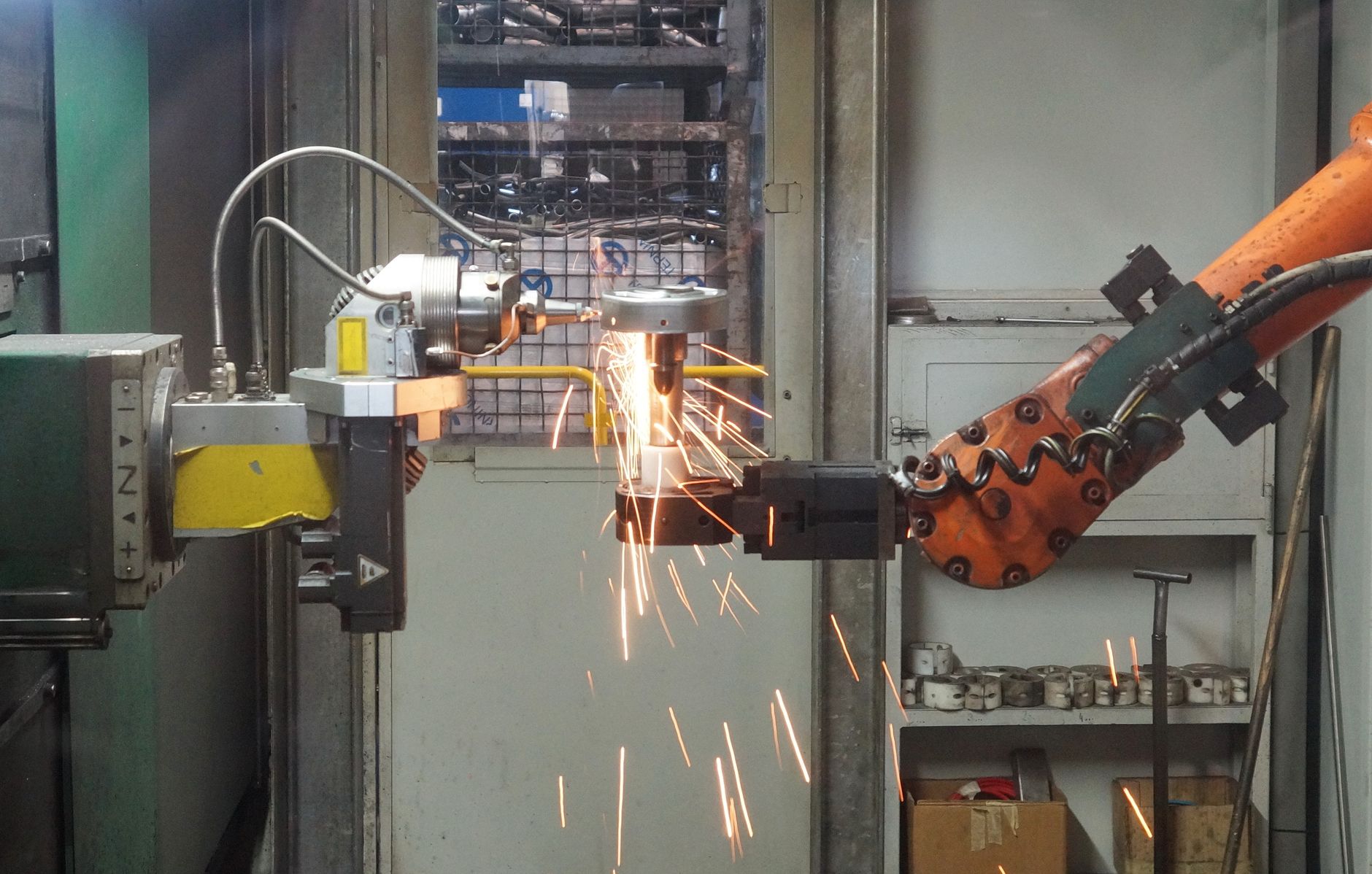
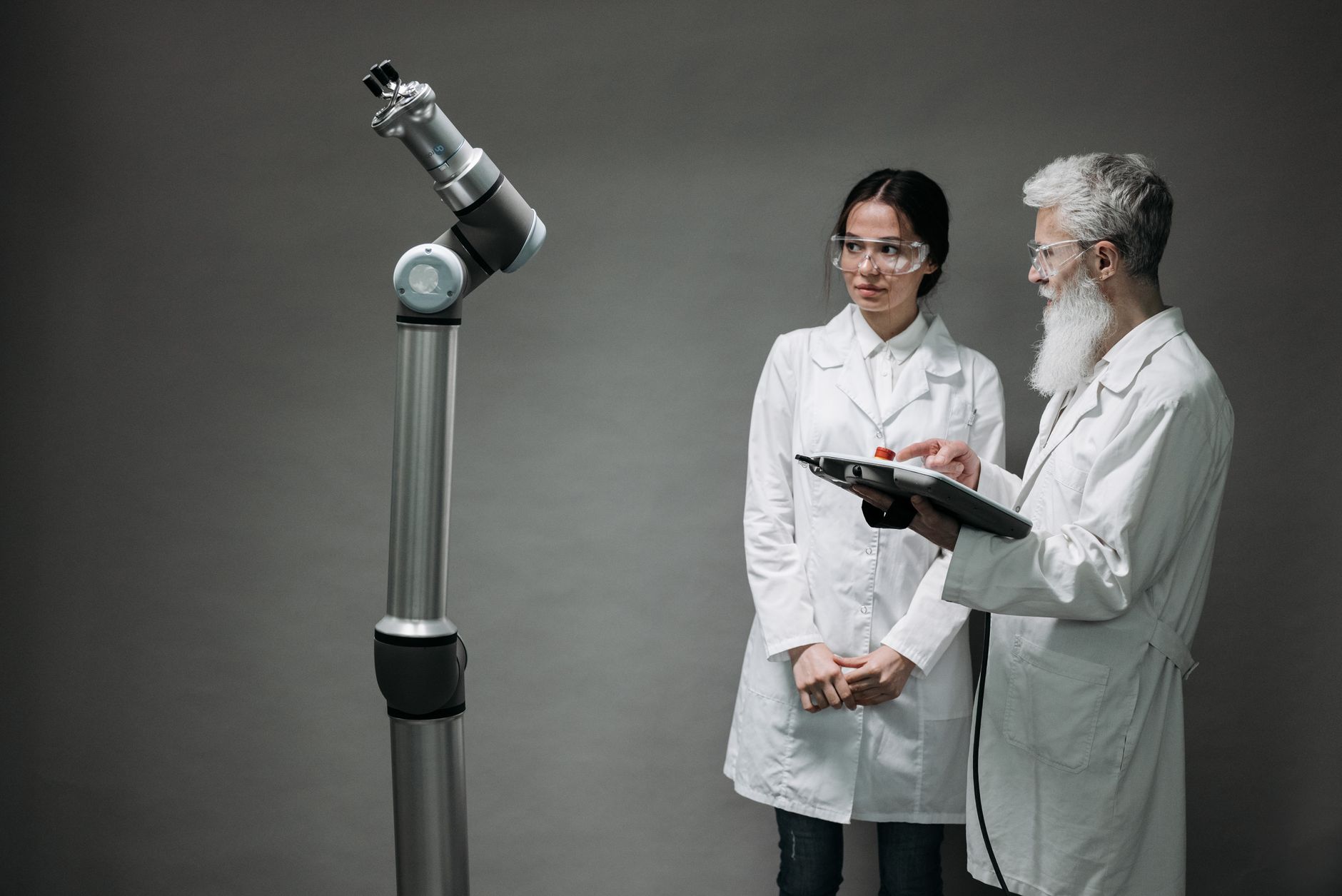
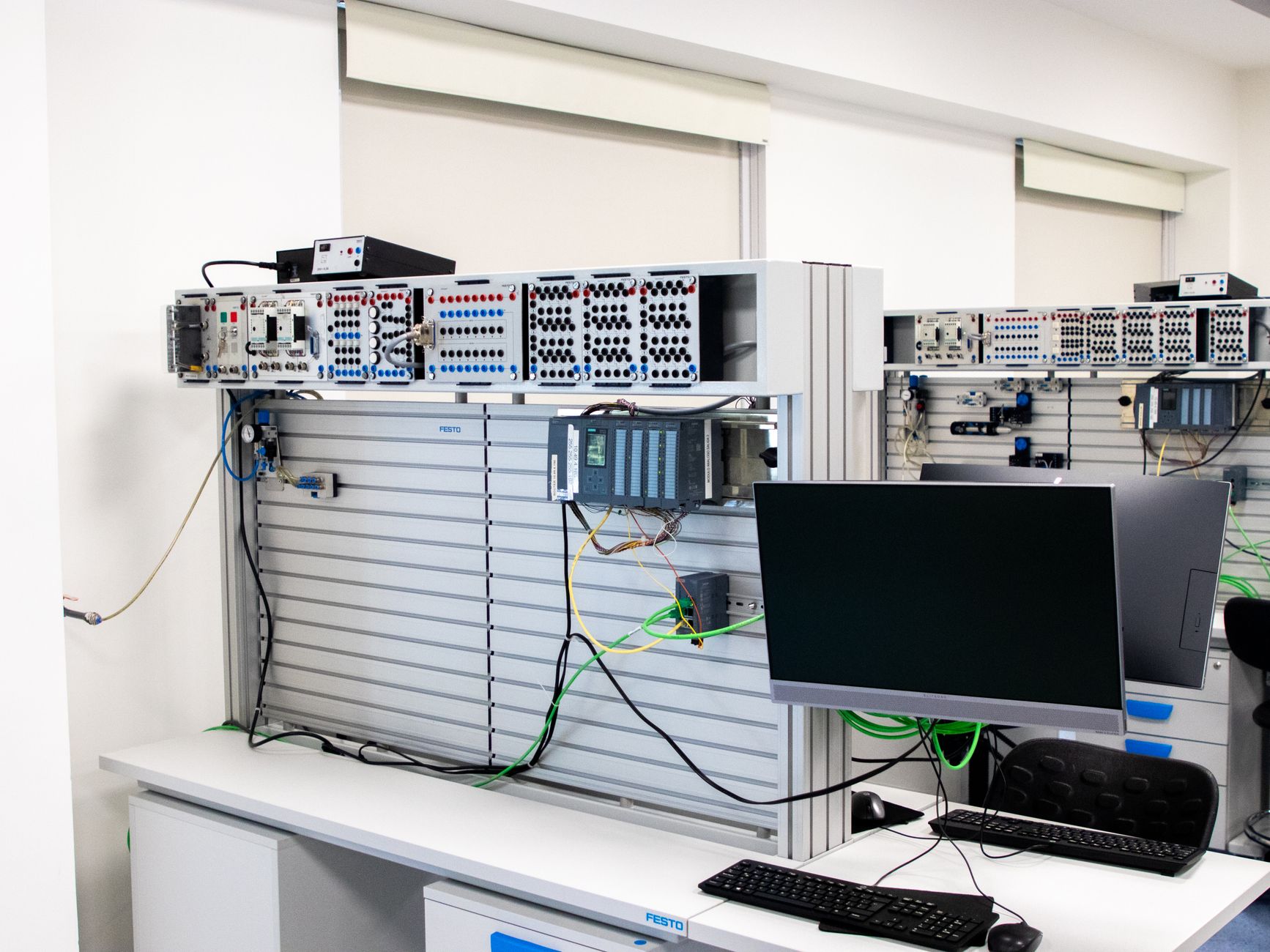
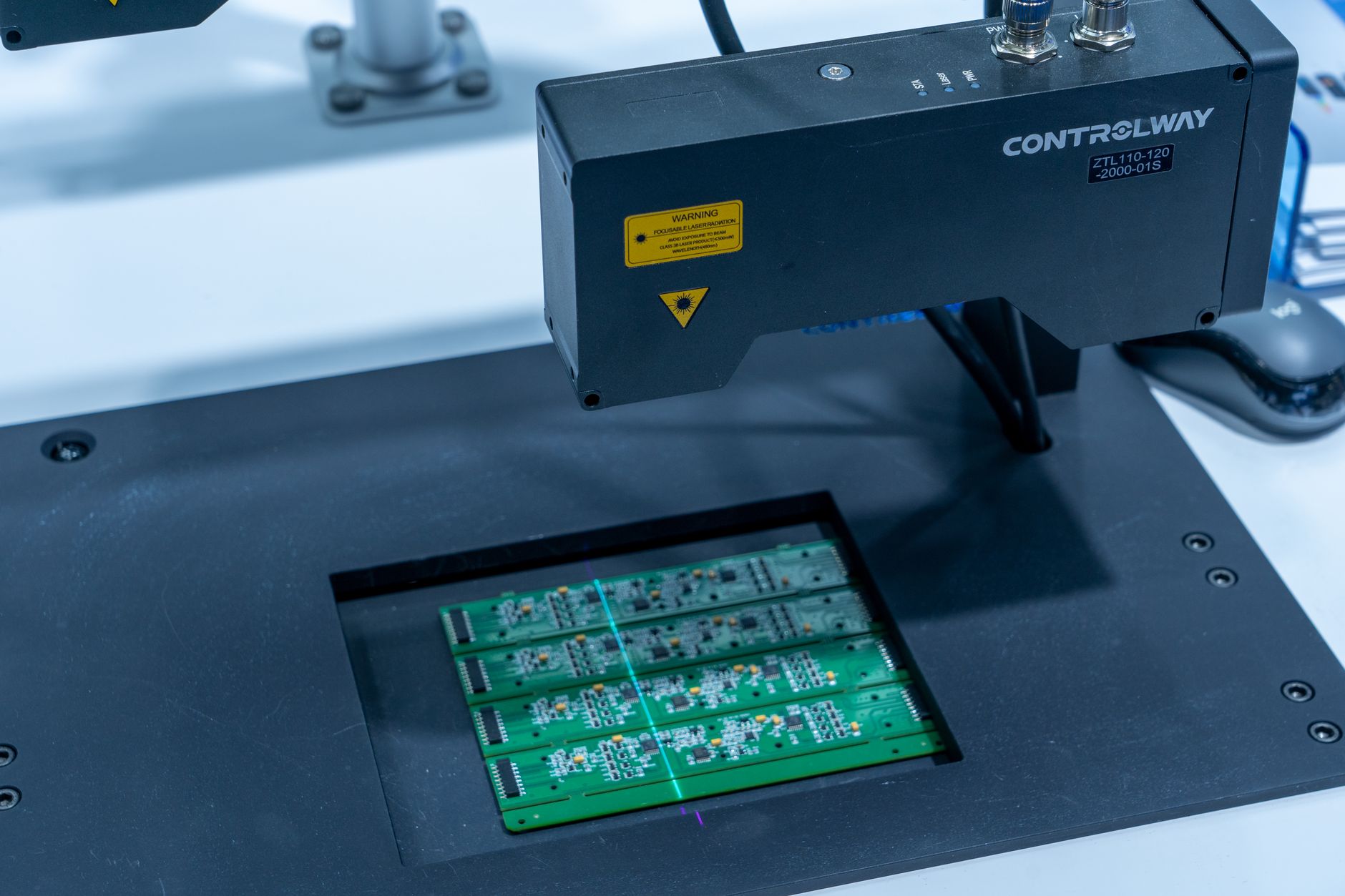
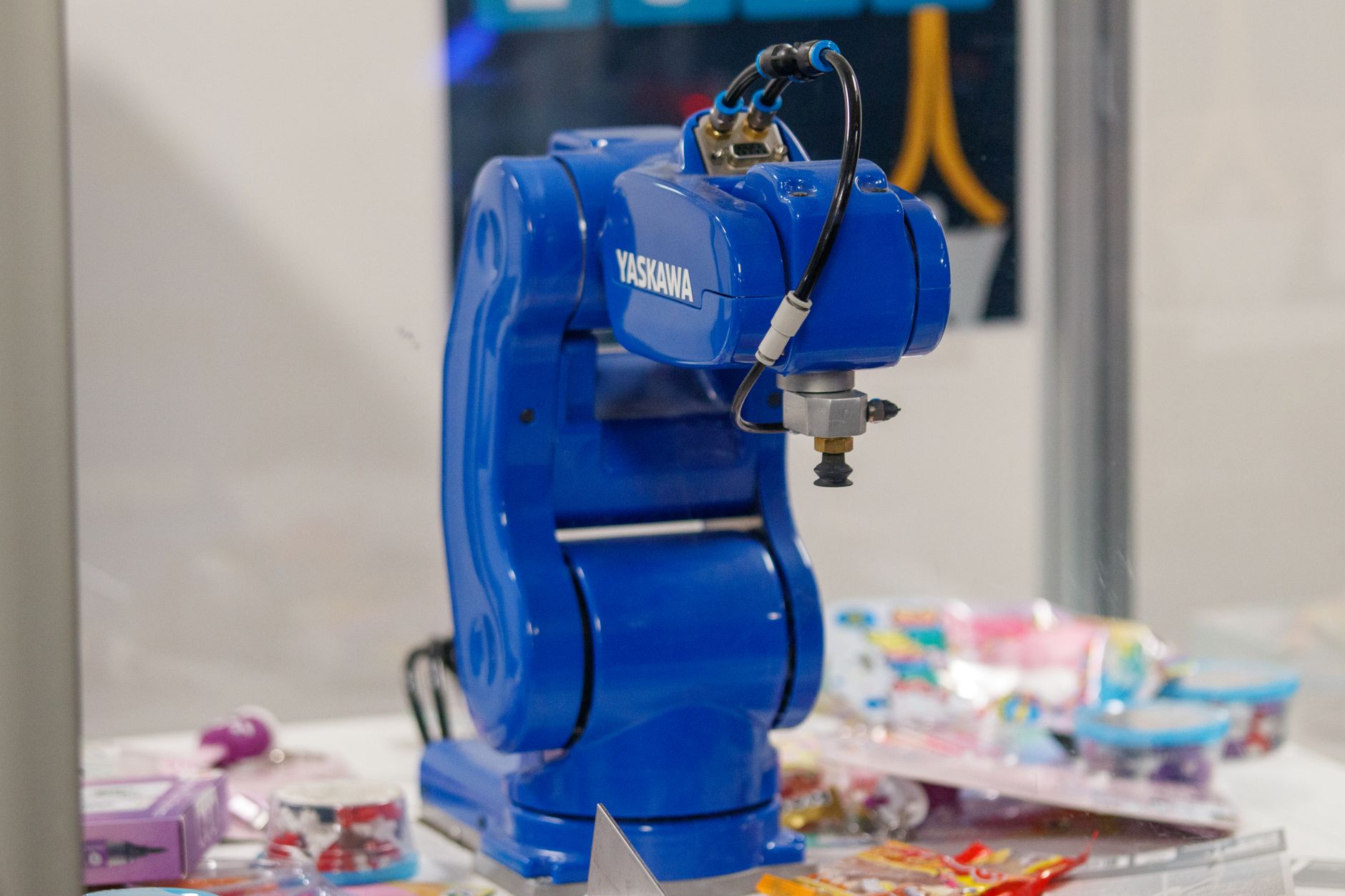
The OPC UA Robotics Companion Spec finally gives plants a common data model for robot state, motion, and safety status — but it doesn’t replace vendor-specific programming, and adopting it early is a real tradeoff, not a free win.
Read MoreCategory: AUTOMATION
Three Ways to Wire a Cobot Cell in 2026, and How to Pick the Right One
Now that Universal Robots, Fanuc, Doosan, and Techman all ship native OPC UA servers and PLCopen-style function blocks, the old default of hard-wired I/O is no longer the only sane choice. Here’s how to actually decide.
Read MoreWhen Structured Text Actually Beats Ladder Logic in 2026
AI code-assist tools now write structured text more reliably than ladder rungs, which is forcing a real conversation about when object-oriented PLC code is worth the migration risk — and when it isn’t.
Read MoreTrain in the Cloud, Infer at the Edge: A Practitioner’s Guide to Deploying Vision Models on the Line
The train-in-cloud, infer-on-edge pattern is becoming the default architecture for AI-based defect detection — but only if you treat the handoff, the latency budget, and drift monitoring as line-side engineering problems, not data science afterthoughts.
Read MoreTrust the Wizard, But Keep the Paperwork: Auto-Tuning Servo Drives on Mixed Discrete/Process Lines
Auto-tuning has gone from optional add-on to default behavior in current Siemens, Beckhoff, and Rockwell drive firmware — but most plants still tune manually out of habit. Here’s a practical framework for when to trust it, when to override it, and how to document changes so they survive a drive swap.
Read MoreWhat the OPC UA Robotics Companion Spec Actually Changes in Your Cell Integration
Robot vendors and PLC platforms are shipping real OPC UA Robotics Companion Spec support now, not demoware. Here’s what that changes in how you commission a cell, and where the old fieldbus habits still apply.
Read MoreAI Code Assist in TIA Portal and Studio 5000: Where to Trust It and Where to Check Its Work
AI code-assist plugins are landing in TIA Portal and Studio 5000 faster than most plants have a review process for them. Here’s a practitioner’s guide to what to accept, what to distrust, and how to check the work.
Read MoreYour Cobot Is Lying to Your MES: Why PackML State Mapping Matters
As cobots move from standalone cells into fully integrated packaging and assembly lines, their vendor-specific state models don’t map cleanly onto PackML — and plants that fudge the translation end up with SCADA and MES data that lies about downtime, changeovers, and true equipment state.
Read MoreOPC UA FX Over TSN: A Practitioner’s Guide to When Wireless Can Replace Your Cobot Cell Wiring
OPC UA FX with TSN has moved from spec to shipping conformance-tested gear, and vendors are now making real wireless-determinism claims for cobot and motion cells. Here’s how to separate what’s actually ready to pilot from what still belongs on copper.
Read MoreUsing IIoT and AI in Manufacturing
IIoT (Industrial Internet of Things) refers to the network of interconnected devices, sensors, and machines in industrial settings. It enables the collection, analysis, and sharing of data to improve efficiency, productivity, and decision-making. AI (Artificial Intelligence) can be integrated with IIoT to enhance manufacturing processes in several ways: In summary, the combination of IIoT and AI in manufacturing allows for improved predictive maintenance, enhanced quality control, optimized production, intelligent automation, and product innovation. This integration can drive operational excellence, cost savings, and competitive advantages in the manufacturing industry. OPEN Source…
Read More