GE Vernova’s Proficy business is now roughly a year into life as part of a standalone energy-and-automation company, and the effect on the ground is showing up where it always shows up first: renewal paperwork. Plants running Plant Applications, Historian, or CSense are increasingly seeing renewal quotes structured around new AI and analytics tiers rather than flat maintenance-and-support line items. The pitch is consistent across accounts — embedded machine learning, predictive quality, anomaly detection — sold as an upgrade path rather than a separate purchase decision.
That’s a legitimate commercial strategy. It’s also exactly the moment where engineers and plant IT need to slow down and separate real new capability from repackaged functionality wearing an AI label. Some of what’s showing up in these bundles is genuinely new modeling capability. Some of it is functionality that existed in Historian or Plant Applications for years, now marketed under an analytics umbrella at a higher tier.
What’s actually changed since the spinoff
GE Vernova inherited Proficy as part of the broader split from GE’s legacy industrial businesses, and the roadmap since then has leaned hard into tying the MES suite (Plant Applications), the time-series backbone (Historian), and the advanced analytics/modeling layer (CSense) closer together under a shared data and AI narrative. CSense, which GE picked up through acquisition years before the spinoff and has historically been positioned for advanced process modeling and soft-sensing in continuous and batch industries, has been pushed further into the center of that story — as the analytics engine that plugs into Historian’s contextualized data and surfaces results back through Plant Applications dashboards.
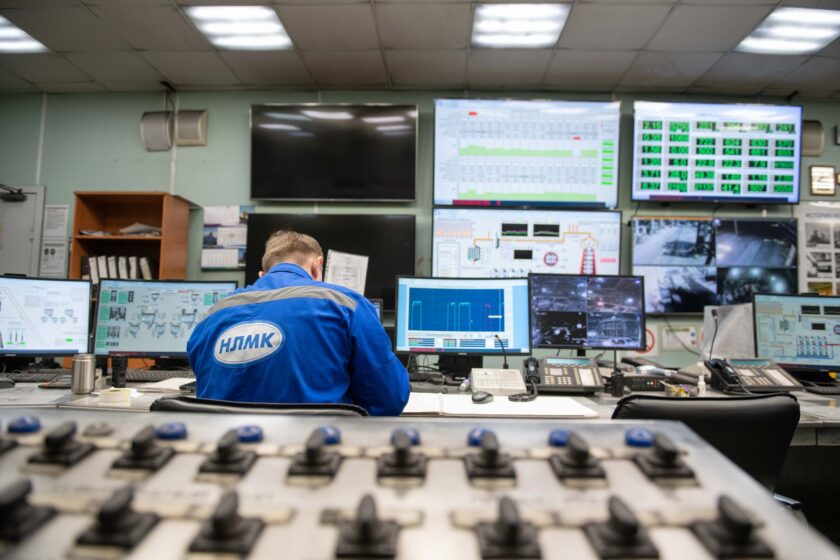
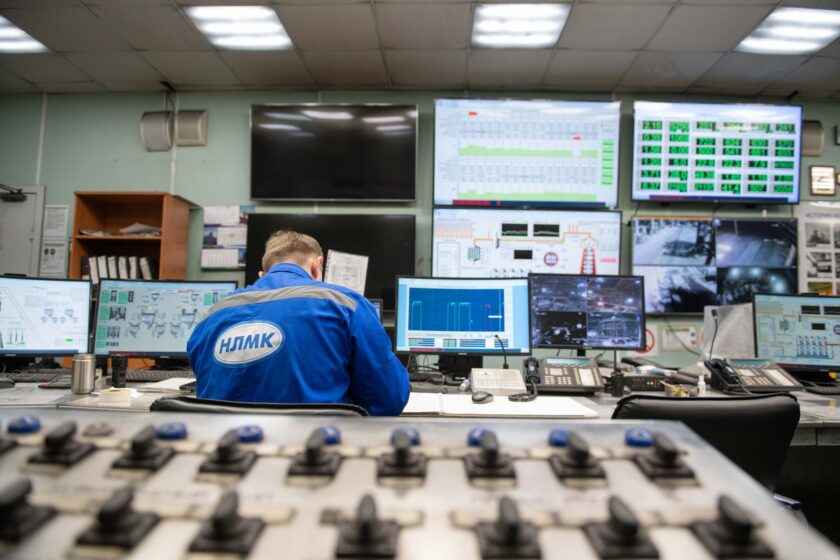
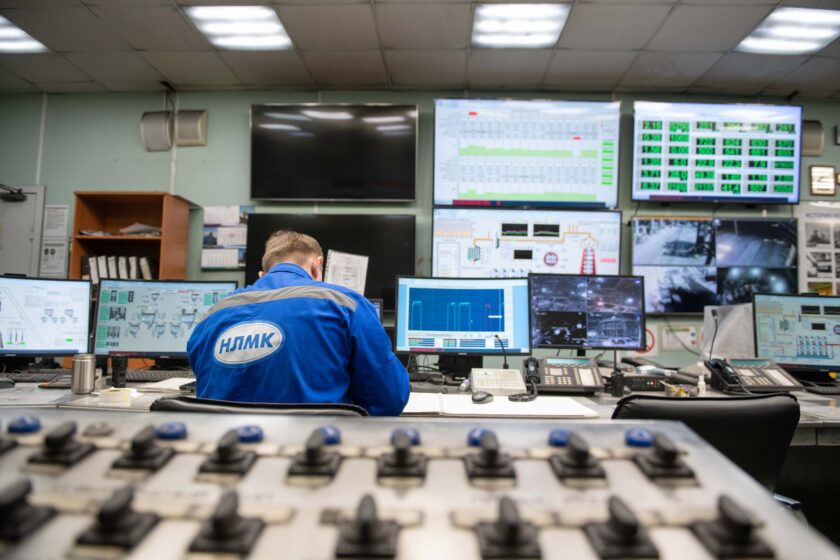
The Historian side has picked up incremental AI-flavored features — anomaly detection scoring, pattern recognition against historical tag data, and tighter integration hooks for exposing model outputs as first-class tags. Plant Applications has leaned into presenting those outputs as part of its production and quality dashboards rather than requiring a separate analytics viewer. None of that is nothing. But a fair amount of it is closer to better wiring between existing products than to net-new statistical capability. The underlying anomaly detection and statistical process control math in industrial software has been mature for a long time; what’s changing is packaging, UI, and how many clicks it takes to get a model’s output onto an operator screen.
The tell: watch what’s actually configurable
The clearest signal of genuinely new functionality versus rebranding is whether the “AI” feature exposes new configuration surface — new model types, new training workflows, new ability to bring your own algorithm or retrain against your own historical data — versus simply surfacing a pre-built anomaly score on a dashboard you could have built yourself with existing SPC rules and control limits in Plant Applications. If the demo shows a chart with a red band around it and calls it AI-driven anomaly detection, ask what statistical method is underneath it. Often it’s a control limit calculation with better visualization, not a learned model.
Why this matters at renewal time specifically
Software renewals are where packaging changes get monetized. If a vendor restructures tiers so that features you already had access to move into a higher bundle, or so that new AI add-ons are only available bundled with modules you don’t currently use, the renewal conversation stops being about maintaining what you have and starts being about a scope change you didn’t ask for. That’s not unique to GE Vernova — it’s a pattern across the MES and industrial software market as vendors chase recurring analytics revenue. But it’s worth naming plainly here because Proficy’s install base is large, long-tenured, and disproportionately running on multi-year contracts that are now coming up for renegotiation post-spinoff.
The practical risk isn’t that the AI features don’t work. It’s that plants lock into a pricier tier before validating whether the new capability solves a problem they actually have, using their own process data rather than a vendor’s demo dataset.
A validation checklist before you sign
- Ask what algorithm is running. Get a straight answer on whether a given feature is a trained model, a statistical control limit, or a rules engine. Vendors should be able to tell you this without hedging.
- Demand a pilot against your own historical tags. Anomaly detection and predictive quality features live or die on the quality and context of your Historian data. A feature that looks sharp on a vendor’s clean demo dataset can fall apart against your actual sensor noise, missing tags, and batch-to-batch variability.
- Separate the model from the visualization. If the new tier’s main value is a nicer dashboard for something Plant Applications’ existing SPC or OEE calculations already produce, price that as a UI upgrade, not an AI upgrade.
- Check retraining and drift handling. Ask how a model gets retrained as your process changes, who owns that work, and whether it requires a services engagement every time. A model that needs constant vendor-assisted retuning has a real ongoing cost that isn’t in the license line.
- Map the bundle against ISA-95 boundaries you actually use. If the new tier bundles analytics functions that overlap with a quality or scheduling system you already run elsewhere, you may be paying twice for the same function at different layers of the stack.
- Get exit terms in writing. If you adopt a bundled AI tier and it underperforms, know what it costs to step back down a tier at the next renewal, and whether historical model outputs and configurations are portable if you don’t.
What to watch going forward
The direction of travel across MES vendors, not just GE Vernova, is toward bundling analytics and AI into core platforms rather than selling them as standalone modules. That consolidation can genuinely reduce integration headaches — one contextualized data layer feeding both dashboards and models is a real architectural improvement over bolting a third-party analytics tool onto Historian. The open question for plants is whether the pricing keeps pace with genuinely new capability, or whether it’s outrunning it. The way to find out isn’t to trust the renewal deck. It’s to run the pilot on your own data before you sign anything that resets your contract term.
This article was written with the assistance of artificial intelligence. While we aim for accuracy, the information may be incomplete, out of date, or incorrect, and should be independently verified before you rely on it for any decision. It is provided for general information only and does not constitute professional advice.