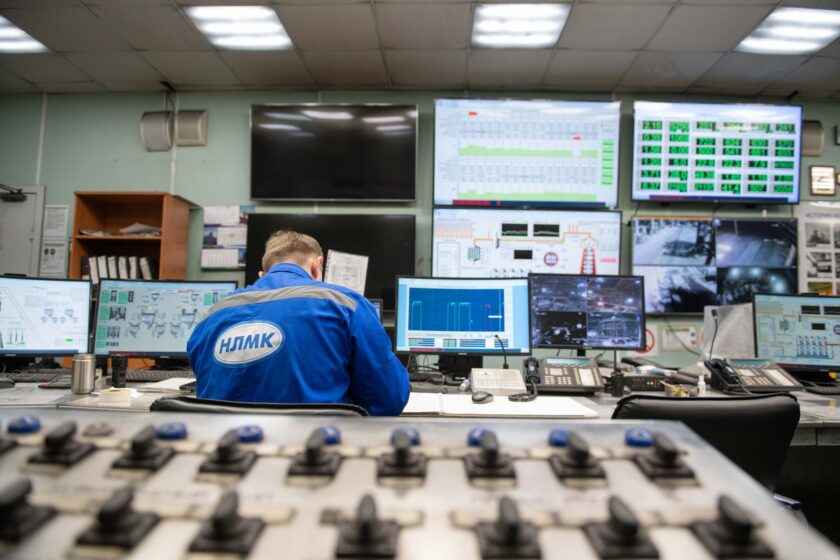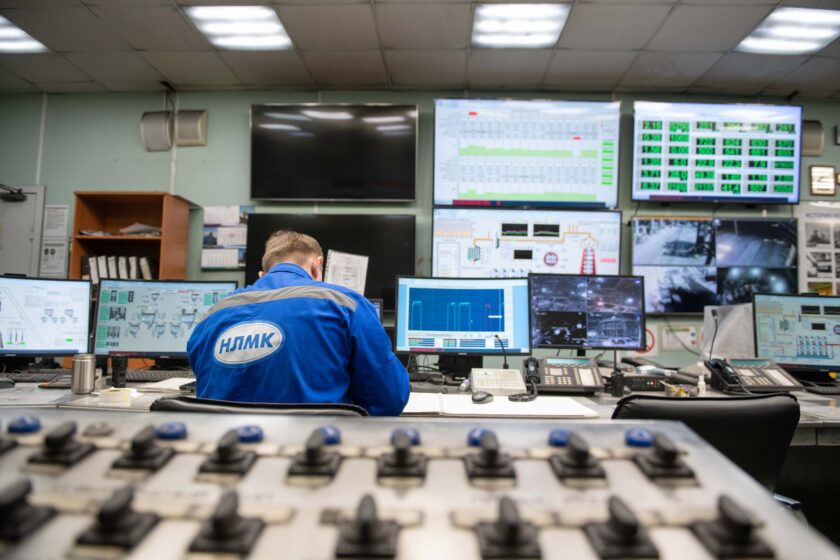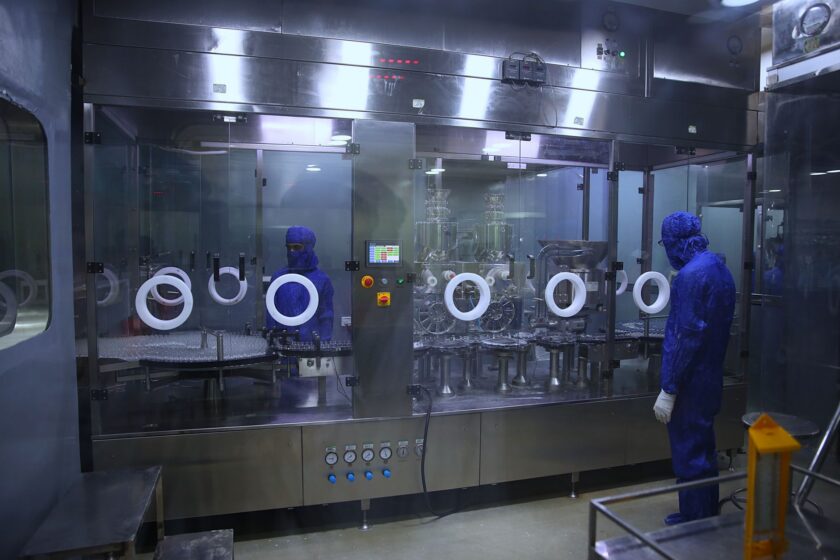
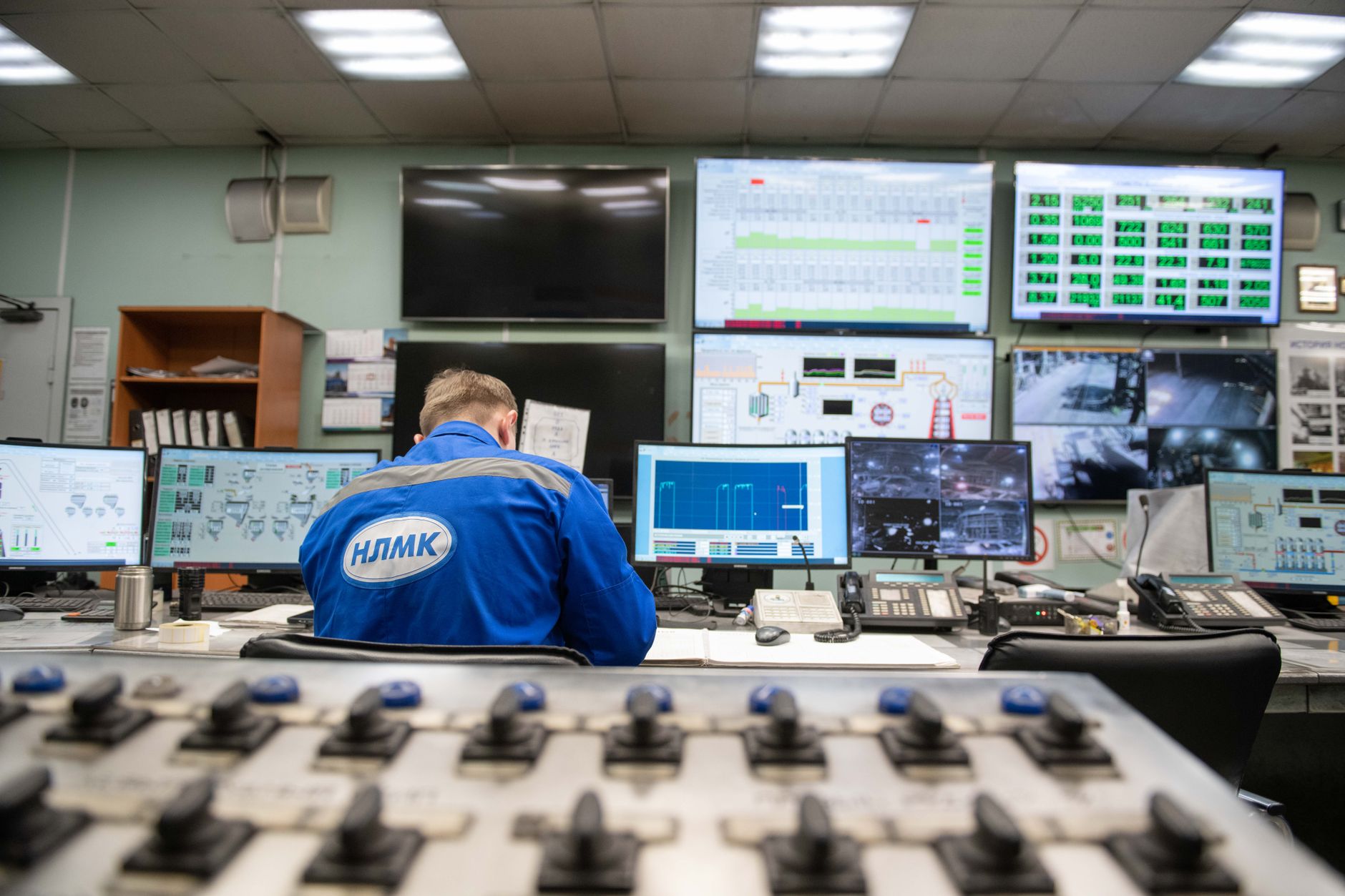
If you’ve run an MES selection process in the last year or two, you’ve probably seen it: Honeywell on the shortlist next to Siemens Opcenter, Rockwell/Plex, and AVEVA MES. That’s new. Honeywell has spent recent years pulling connected-worker and industrial software companies into its Forge platform — deals like Sine (visitor and worker management), Movilizer (mobile workforce and field execution), and smaller bolt-ons in the industrial IoT and remote-monitoring space — and packaging the result as part of a broader Manufacturing Operations Management story. The pitch to plant teams is straightforward: connected worker plus MES plus asset performance, one vendor, one platform.
The practical question for a controls engineer or plant IT lead building a shortlist isn’t whether Honeywell belongs in the conversation. It’s what, specifically, you’re evaluating when “Honeywell MES” shows up in a proposal — because the answer is more layered than the marketing slide suggests.
What Forge actually is
Honeywell Forge is best understood as an industrial software platform and umbrella brand, not a single application. Under it sit several distinct product lineages: performance and reliability tools descended from Honeywell’s process automation and APM heritage, connected-worker and workforce tooling from acquisitions like Sine and Movilizer, and cloud/edge infrastructure for data collection and visualization. Honeywell also brings decades of process control and DCS/SCADA experience (Experion, and its broader automation portfolio) that predates any of this, which is real and relevant to plants already running Honeywell control systems.
What’s less clear from the outside — and what deserves real scrutiny in an RFP — is how much of that stack constitutes native, ISA-95-style MES: work order dispatch, in-process genealogy, electronic work instructions tied to routing and BOM, real-time WIP tracking, and closed-loop quality (nonconformance, deviation, CAPA linkage) that a plant can run production against every shift, every day. That functional core is what Siemens Opcenter, AVEVA MES, and Rockwell’s Plex have each built out over many years, with mature configuration models for genealogy, batch/lot traceability, and OEE calculation baked into the product rather than assembled from adjacent modules.
Connected worker is not MES, even when it looks like it in a demo
This is the crux of the confusion, and it’s worth being blunt about it. Connected-worker platforms — digital work instructions, mobile task assignment, skills tracking, visitor and contractor management, remote expert assist — solve a real and growing problem on the shop floor. Movilizer’s heritage is in mobile-first task execution and field workforce coordination; Sine’s is in workplace/visitor and worker safety management. Both are legitimate, useful categories. Neither one, on its own, is a system of record for genealogy or a scheduling and dispatch engine tied to a plant’s ERP work orders.
Where this gets murky in a sales cycle is that a well-built connected-worker layer can feel like MES in a demo. It shows operators a task list, captures data at the point of execution, and pushes status updates upstream. That’s a real slice of what MES does — the human-facing execution layer. But work-order-to-genealogy traceability requires a model underneath that layer: routing logic, BOM/recipe management, lot and serial genealogy that survives splits and merges, quality holds that actually block downstream operations, and OEE/loss accounting that ties back to a consistent equipment hierarchy. If that model lives in a separate historian, a spreadsheet, or a partner’s product bolted on for the deal, you don’t have MES. You have a nice front end in front of a gap.
The integration tax you should ask about directly
Assume, going in, that any Honeywell proposal that spans connected-worker tooling and true production execution will involve integration work between components that didn’t start life as one product. That’s not unique to Honeywell — Rockwell has done the same kind of assembly with Plex and FactoryTalk, and AVEVA’s MES lineage includes multiple legacy code bases stitched together over time. But it means your evaluation should ask pointed questions rather than accept a unified architecture diagram at face value:
- Is genealogy tracked in the same data model that drives the operator’s task list, or does it require a separate integration or middleware layer?
- Who owns the master data — routings, BOMs, equipment hierarchy — and does it live in one configuration tool or several?
- What’s the actual mechanism connecting shop-floor execution to ERP work orders: a native connector, a documented API, or a services-led custom build?
- How is OEE calculated, and against what equipment model — is it consistent across the modules you’re being shown, or does each acquired product compute it its own way?
- What does a software version upgrade look like when it touches three formerly separate codebases at once?
None of these questions are hostile. They’re the same ones you’d ask any vendor assembling a platform through acquisition, and the honest answer from a sales engineer should include some amount of “that’s a professional services engagement” or “that ships in a future release.” Treat vague answers as a signal, not a disqualifier — every MES vendor has integration seams somewhere.
Where Honeywell’s pitch is genuinely strong
None of this means the Forge strategy is a bad bet for every plant. Sites already standardized on Honeywell process control, safety systems, or APM tooling have a real argument for single-vendor alignment on data models, support contracts, and cybersecurity posture under IEC 62443. Connected-worker capability is also a category that traditional MES vendors have historically treated as an add-on rather than a core strength, so Honeywell’s acquisitions there may genuinely outperform what you’d bolt onto Opcenter or Plex yourself. And for plants where safety, visitor management, and contractor workforce tracking are as operationally important as genealogy, that combined scope has real value.
What to actually do with this
Score Honeywell — and honestly, every vendor on your shortlist — against an explicit list of ISA-95 execution capabilities rather than a feature-by-feature demo walkthrough. Ask each vendor to show, live, a lot moving through dispatch, execution, quality hold, and genealogy in one continuous data model, not a slide sequence. If Honeywell’s answer routes you through two or three product names to get there, that’s not disqualifying, but it changes your implementation timeline, your systems-integrator scope, and your long-term upgrade risk. Buy the platform for what it is, not for what the umbrella brand implies it is.
This article was written with the assistance of artificial intelligence. While we aim for accuracy, the information may be incomplete, out of date, or incorrect, and should be independently verified before you rely on it for any decision. It is provided for general information only and does not constitute professional advice.