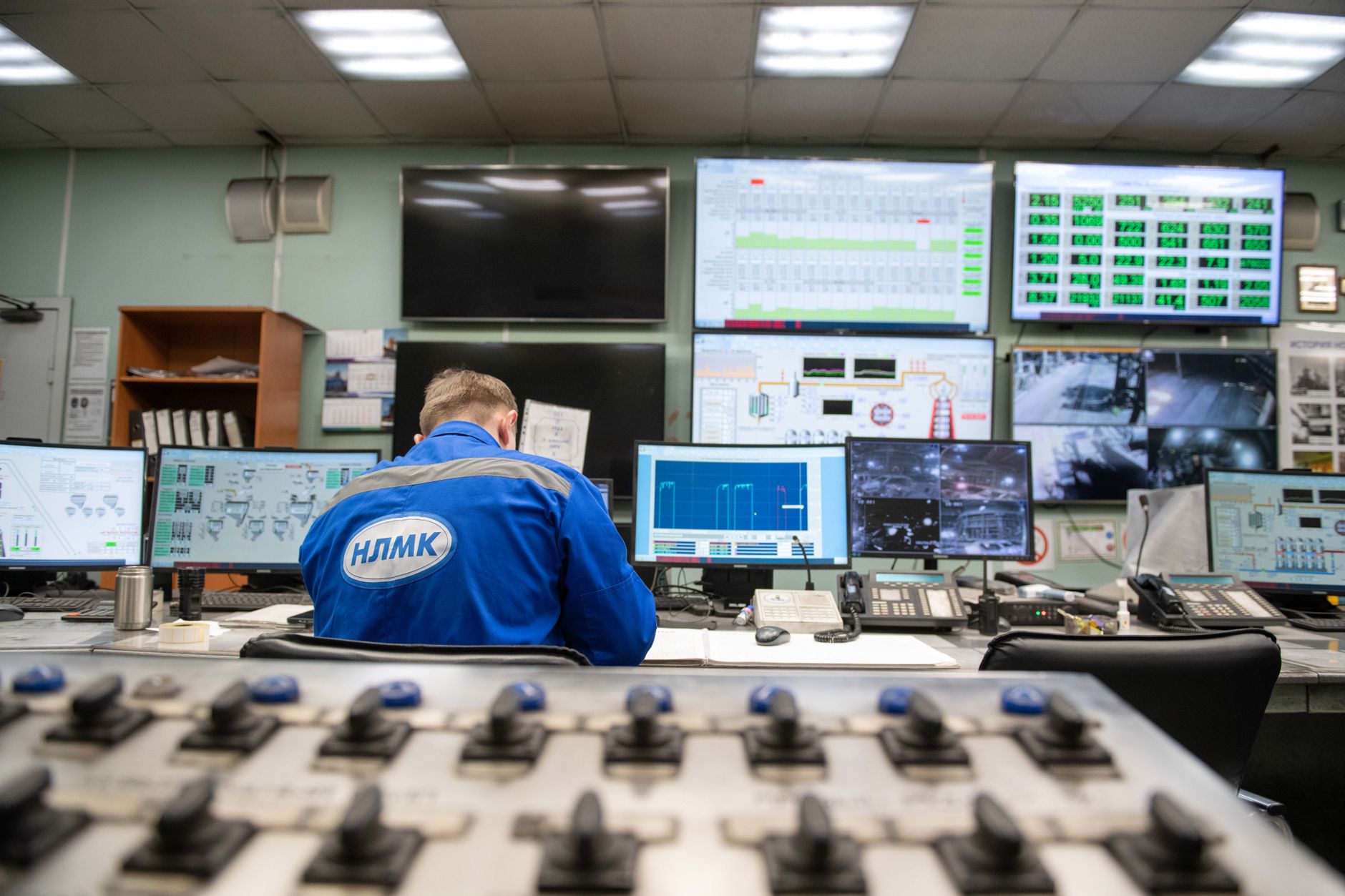
Shift boundaries are where downtime records get duplicated, dropped, or misattributed — quietly wrecking your OEE numbers. Here’s how to configure handoff logic correctly and audit your last 30 days for the damage already done.
Read MoreDay: July 12, 2026
Tulip and the Low-Code MES Reckoning: What Two Years of App Sprawl Actually Taught Plants
A hands-on look at what low-code MES platforms like Tulip actually deliver once the pilot-phase glow wears off — and a governance framework for deciding what belongs in citizen-developer apps versus a configured MES module.
Read MoreComposable MES Vendors Are Courting Mid-Market Manufacturers. Here’s How to Actually Evaluate Them
Low-code, app-based MES platforms are pitching multi-plant SMB manufacturers hard for 2026 budgets. Here’s a practical framework for weighing time-to-value against the integration debt that shows up long after go-live.
Read MoreYour OEE Number Is Probably Wrong. Here’s How to Fix the Math.
Before you run Pareto analysis or AI models on your OEE data, make sure the underlying formula is actually sound — most plants’ numbers are quietly broken by reason-code drift, micro-stop double-counting, or stale performance baselines.
Read MoreThe VPN Drop Has to Go: A Practitioner’s Guide to Replacing Flat OT Remote Access
Flat VPN drops into OT networks remain the single most common way attackers get into manufacturing environments. Here’s how to move to brokered, identity-aware access without losing your OEM support relationships or your next audit.
Read MoreYour AMR Fleet Knows Where Everything Went. Your MES Doesn’t Know It Happened
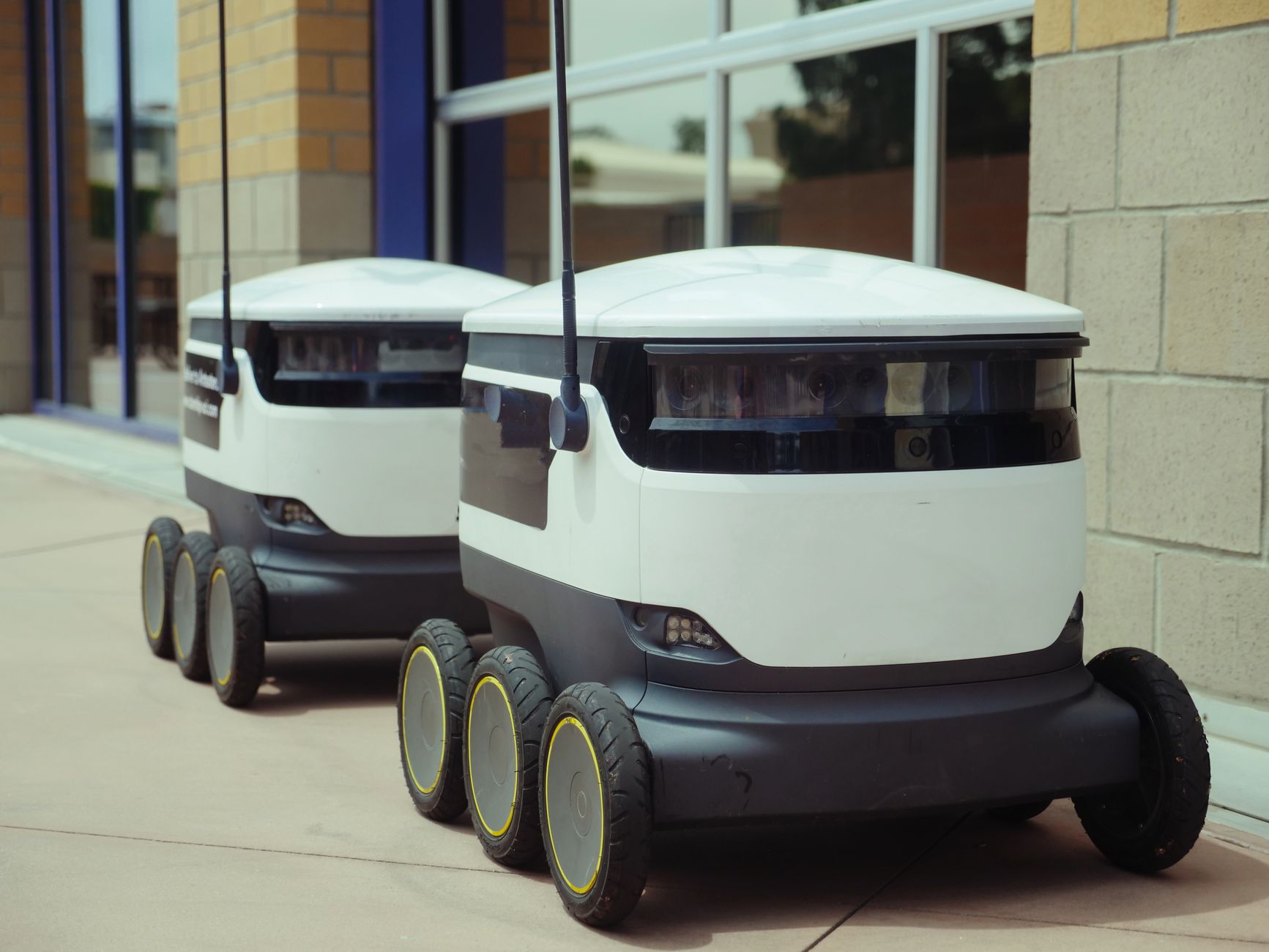
Mixed-vendor AMR fleets can now talk to each other, and Sparkplug B/UNS architectures have cleaned up shop-floor data plumbing — but the transport event a robot performs and the genealogy record MES keeps are still two disconnected worlds. Here’s a practical model for stitching them together.
Read MoreTrain in the Cloud, Infer at the Edge: A Practitioner’s Guide to Deploying Vision Models on the Line
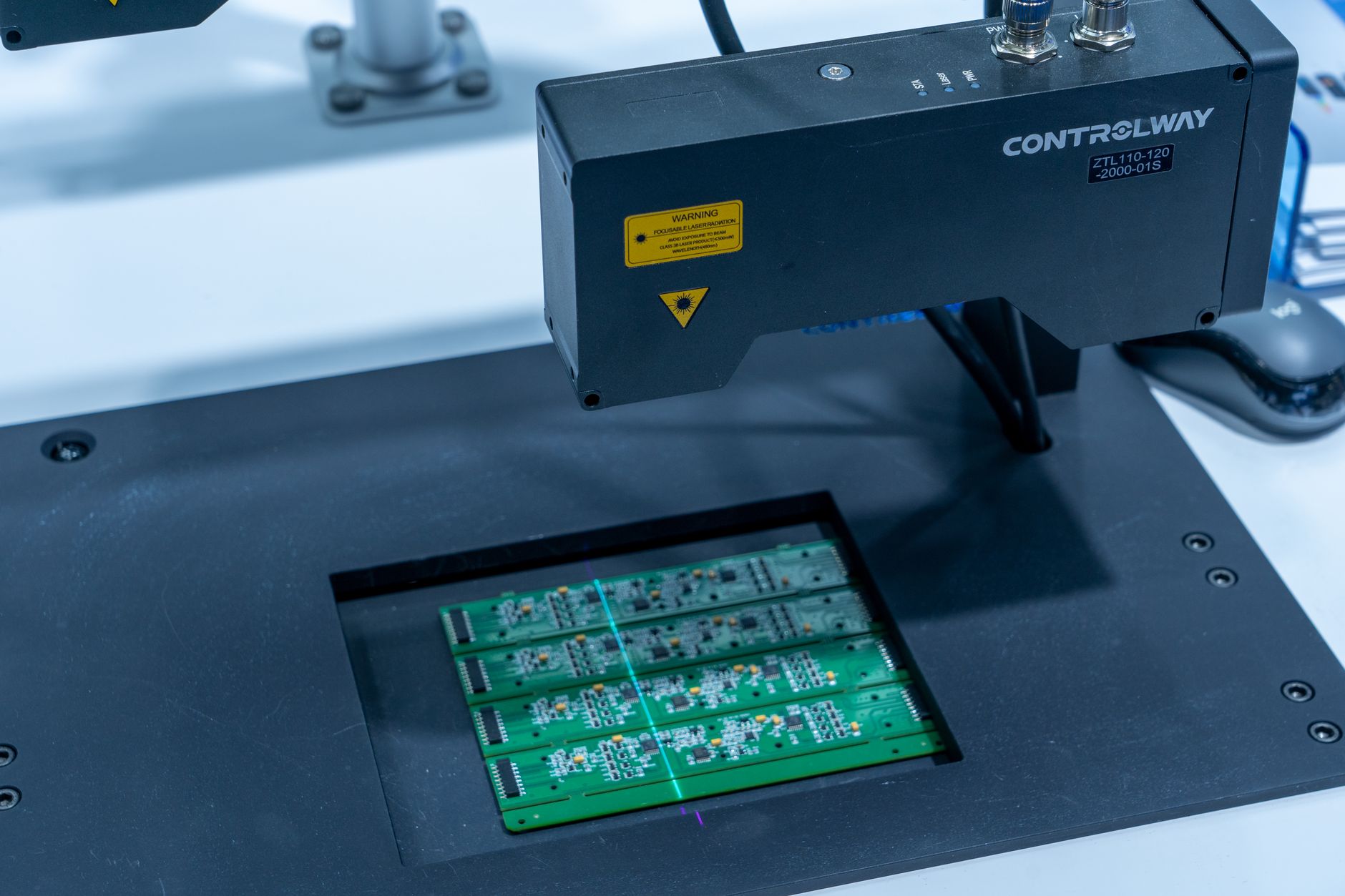
The train-in-cloud, infer-on-edge pattern is becoming the default architecture for AI-based defect detection — but only if you treat the handoff, the latency budget, and drift monitoring as line-side engineering problems, not data science afterthoughts.
Read More